Phone:
(701)814-6992
Physical address:
6296 Donnelly Plaza
Ratkeville, Bahamas.

Phone:
(701)814-6992
Physical address:
6296 Donnelly Plaza
Ratkeville, Bahamas.
In 1337 a Kyoto swordsmith named Chiyozuru Kuniyasu walked into Fuchu — now Echizen City, Fukui Prefecture — looking for water fit for hardening steel. He found it, forged swords, and started making sickles for the farmers around him. Seven hundred years later that sideline is one of Japan’s three great knife traditions, alongside Sakai and Seki. This is an independent guide to Echizen uchihamono: how the blades are made, what to buy, and what is honestly available on Amazon. We do not make or sell any of it.
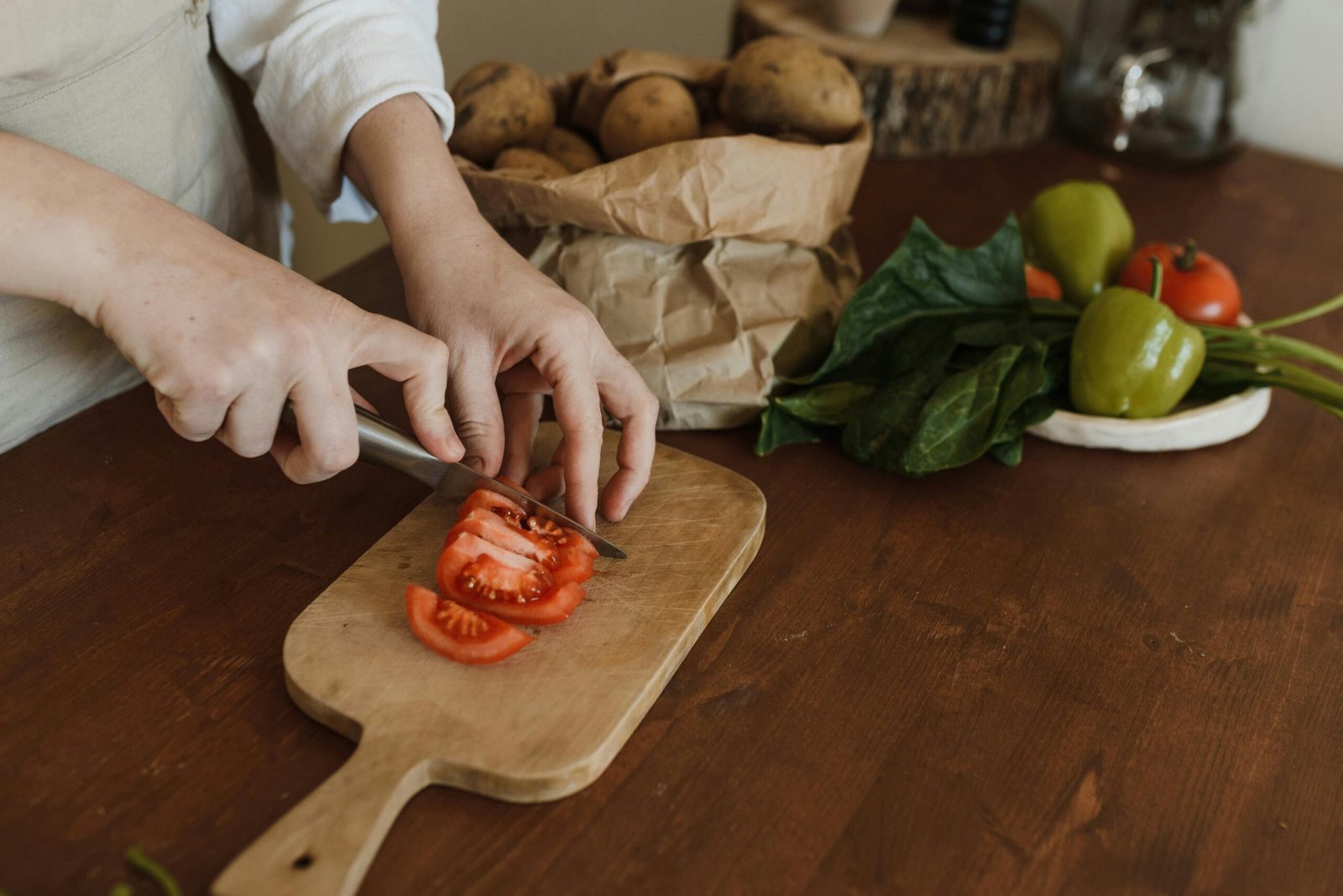
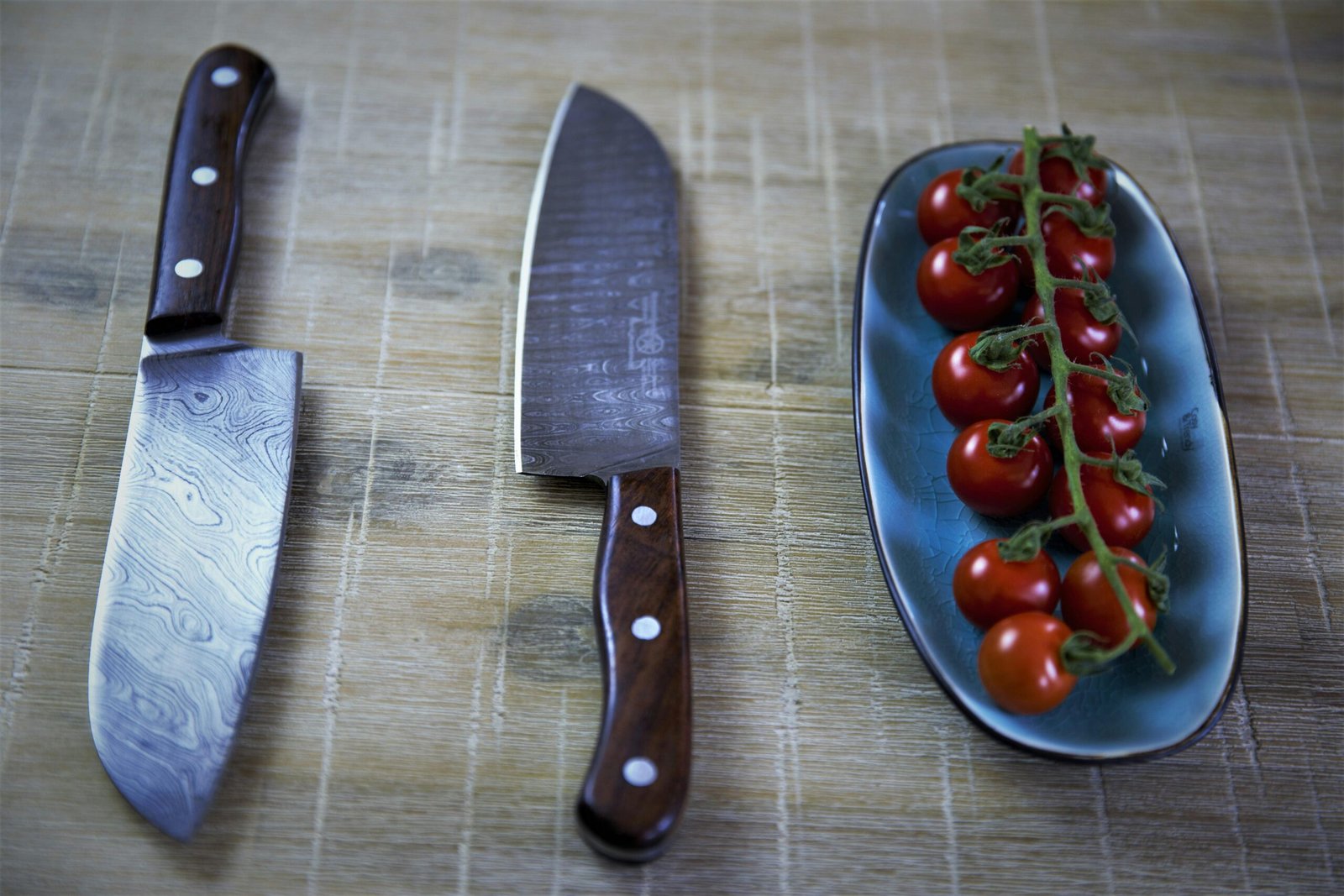
The signature Echizen method is mawashi kozuke: soft ferrite and hard steel are laminated, then hammered out into a diamond-shaped blank rather than a rectangle. The blade comes out light, tough, and holding an edge better than the weight suggests. Everything is hot-forged by hand — heated steel, hammer, repeat — and finished on Echizen’s water. The smiths will tell you the water is the reason Kuniyasu stopped here in the first place.
By 1874 Takefu was supplying 27.5% of every sickle sold in Japan — the largest share in the country. The lacquer industry drove much of it: sickles for tapping lacquer trees. Kitchen knives, shears and garden tools came later, as demand shifted. In 1979 Echizen uchihamono became the first bladed craft in Japan to be designated a national Traditional Craft (伝統的工芸品).
The harvest knives here run White Paper No.2 — shirogami, a clean high-carbon steel that takes a frighteningly keen edge and rusts if you look at it wrong. Wipe it dry, every time. The santoku is stainless: duller at its best, but forgiving. VG5 and VG10 sit in between on the stainless side. Carbon develops a patina, and that patina is protective as well as decorative — but it is no substitute for drying the blade.
By the 1980s cheap machine-made blades were killing the trade and family workshops were closing. The surviving smiths did something unusual: they formed a research group, pooled their techniques instead of guarding them, and paid out of their own pockets for a shared building. That is Takefu Knife Village — the distinctive A-frame and cylindrical structures south of Fukui City, where you can watch the forge floor from a platform, or book a six-hour class and make a kitchen knife yourself. It worked. Echizen blades now sell worldwide.
| Product | Brand | Type | Steel / material | Blade | Weight | |
|---|---|---|---|---|---|---|
| Harvesting knife for Chinese cabbage (hakusai) | Sawakazuma (澤数馬) | Harvest knife | White Paper No.2 (shirogami) | 140 mm | 70 g | Check price |
| Tama Nihon L vegetable harvest knife | Sawakazuma | Harvest knife | White Paper No.2 (shirogami) | 150 mm | 120 g | Check price |
| Uma-gen Akitoshi santoku | Sawakazuma | Santoku | Stainless | 170 mm | 158 g | Check price |
| Edo Kikusui deba | Sawakazuma | Deba | Not stated | 180 mm | 319 g | Check price |
| Wooden saya for the harvest knife | Sawakazuma | Sheath | Magnolia (ho wood) | — | 100 g | Check price |
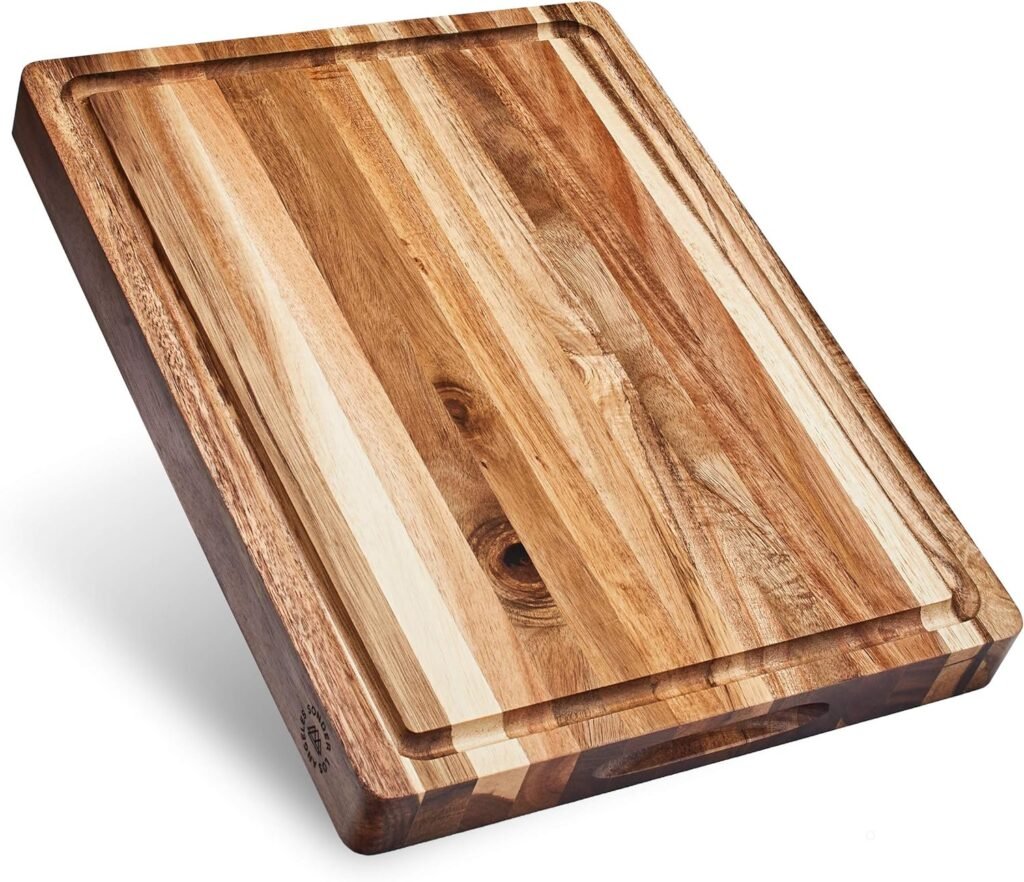
| Ginkgo cutting board, 480 × 240 × 24 mm | Sawakazuma | Cutting board | Ginkgo | — | — | Check price |
| Ginkgo cutting board, 420 × 210 × 24 mm | Sawakazuma | Cutting board | Ginkgo | — | — | Check price |
| Ginkgo cutting board, 540 × 270 × 24 mm | Sawakazuma | Cutting board | Ginkgo | — | — | Check price |
| Soba cutting board | Sawakazuma | Soba board | Not stated | — | — | Check price |
| Kneading pot cradle (cross), 54 cm | Sawakazuma | Soba stand | Not stated | — | — | Check price |
| Suribachi sesame mortar, large | Tamanihon | Echizen ware (pottery) | Echizen-yaki ceramic | — | — | Check price |
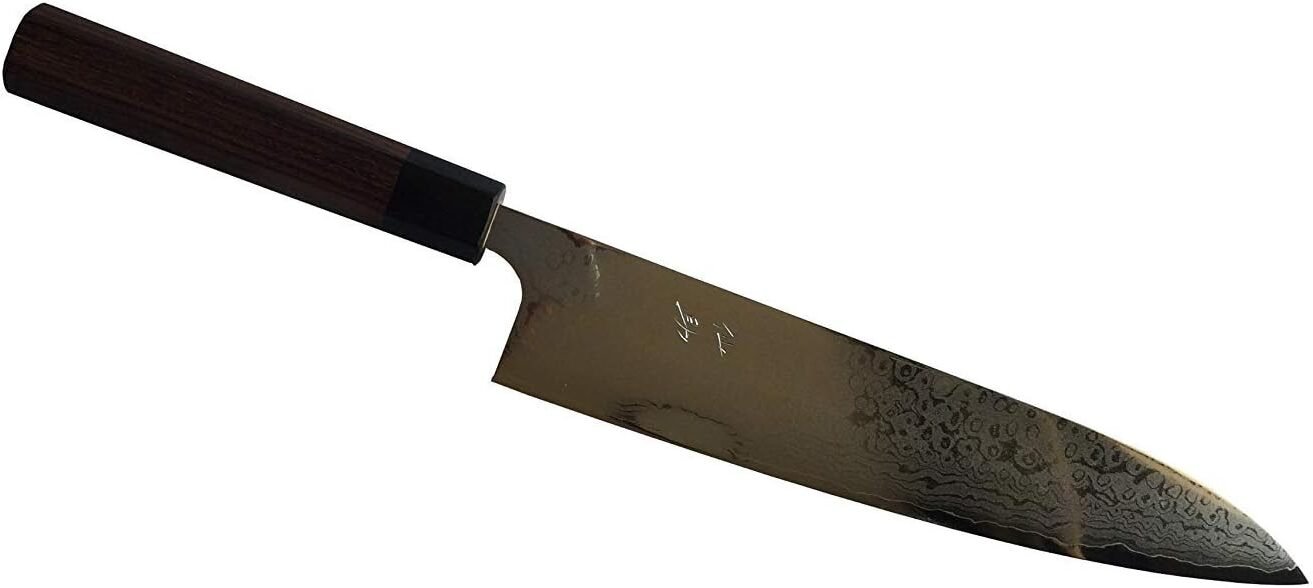
| VG10 46-layer hammered damascus gyuto | Yoshihiro | Gyuto | VG10 core, 46-layer damascus | Not stated | — | Check price |
| Kaizen II 8-inch chef’s knife | Miyabi | Gyuto / chef | FC61 core, 48-layer damascus | 200 mm | — | Check price |
| 8-inch gyuto chef knife | Mitsumoto Sakari | Gyuto | 3-layer 9Cr | 200 mm | — | Check price |
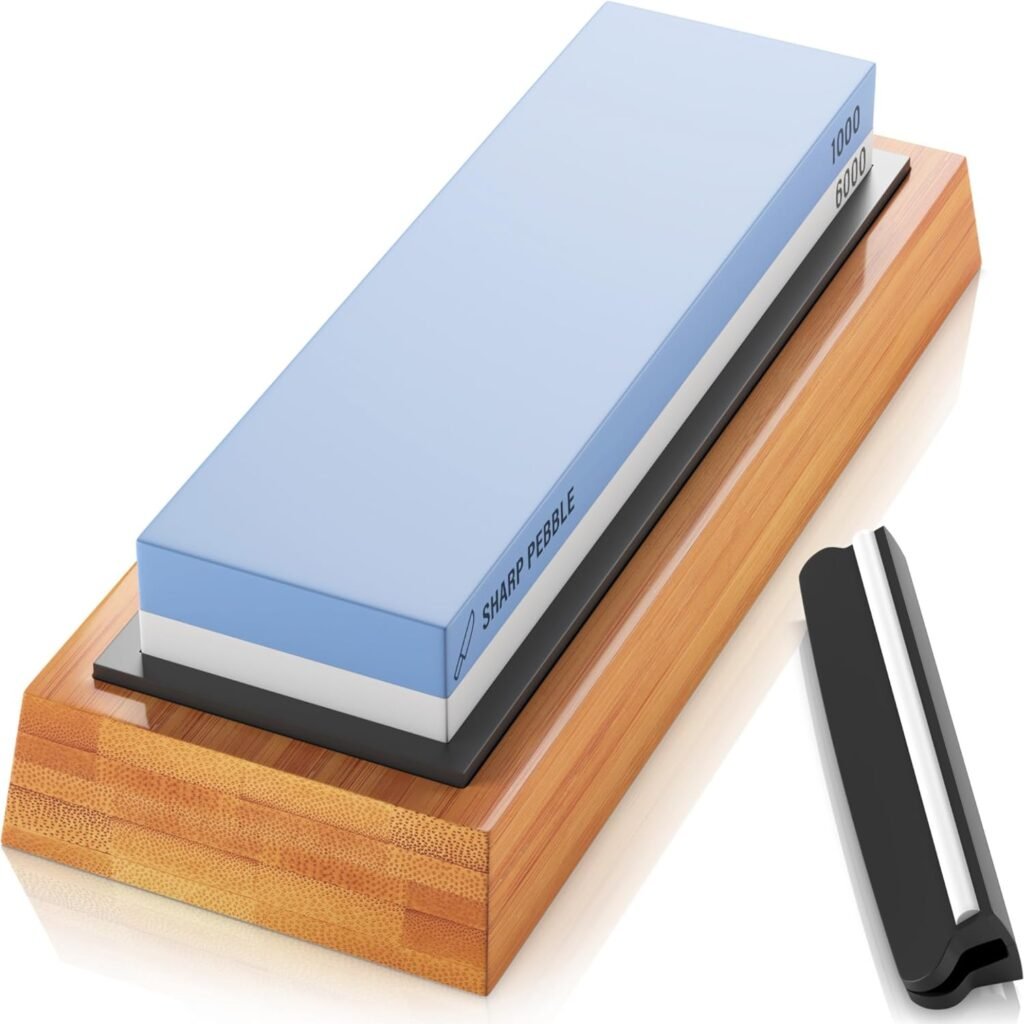
| Premium whetstone, 1000/6000 grit | Sharp Pebble | Sharpening | — | — | — | Check price |
Gyuto is the Japanese take on a Western chef’s knife — 180–240 mm, double-bevelled, does everything. Santoku is shorter and flatter, 165–180 mm, better on a board and easier in a small kitchen; the Sawakazuma santoku here is 170 mm. Nakiri is the straight-edged vegetable cleaver: no rocking, just clean push cuts. Deba is the heavy single-bevel fish knife — the 180 mm Kikusui in the table weighs 319 g, and that mass is the point: you go through the spine, not around it. Petty is the small utility blade. If you buy one thing, buy a gyuto or a santoku.
White Paper steel (shirogami, 白紙) is high-carbon and almost free of alloying elements. It sharpens easily, takes an edge nothing stainless can match, and will rust overnight on a wet board. No.2 is the common grade — slightly tougher and more forgiving than No.1. Blue Paper (aogami) adds chromium and tungsten for edge retention at the cost of easier sharpening. VG10 and VG5 are stainless: less keen, far less needy. San-mai construction laminates a hard core between softer stainless cladding, which is why damascus patterns exist at all. Choose carbon if you enjoy maintenance, stainless if you do not.
Hand wash, never the dishwasher. Dry immediately — not eventually, immediately. Do not leave it in the sink or resting on a wet board. Avoid citrus and onion sitting on the blade. A patina will form in weeks: blue-grey, uneven, and desirable, because oxidised steel is steel that will not rust further. Force it with a potato and vinegar if you like, or just cook. Store dry, ideally in a saya — the magnolia sheath in the table is exactly that, and magnolia is used because it is soft, neutral and does not sweat. Sharpen on a whetstone, 1000 grit to raise the edge and 6000 to finish; a pull-through sharpener will destroy a Japanese bevel.
Sawakazuma is the Echizen maker who happens to be on Amazon. The town holds plenty more: Takamura, whose thin, hard blades have a cult following among chefs; Shimizu Uchihamono, founded by Shimizu Masaji; Yu Kurosaki, Yoshimi Kato, Hiroshi Kato, Takeshi Saji, Ryusen. None of them list on Amazon US. For those you want a specialist Japanese knife retailer, or the Takefu Knife Village shop itself. If they ever appear here, they go straight into the table above.
For a working cook, yes — with a caveat. What you get is a hand-forged blade, a genuinely better edge than a stamped Western knife, and a tool that will outlive you if you dry it. What you also get, on the carbon models, is a knife that punishes neglect within a single evening. The Amazon selection is the awkward part: it is one maker, the listings are machine-translated to the point of comedy, and the good Echizen names are not there. If you want a Takamura or a Kurosaki, this page will tell you they exist — but you will be buying them elsewhere.
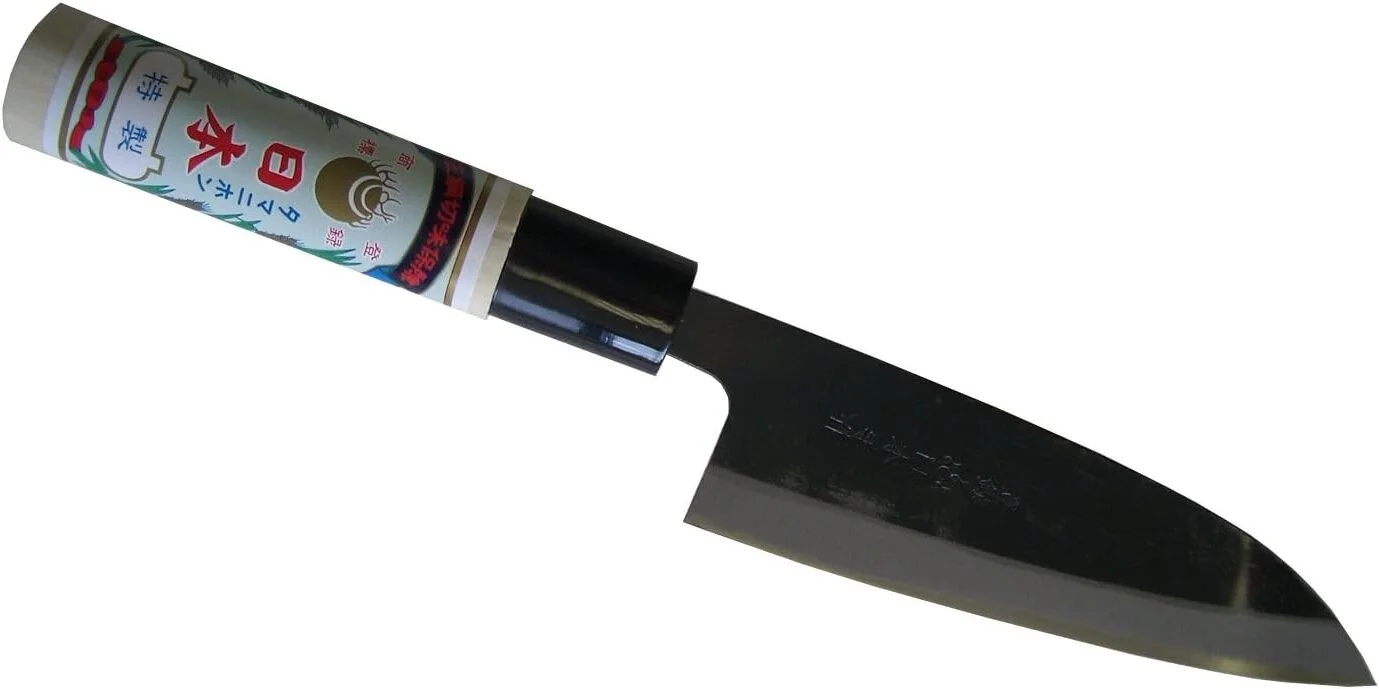
Perfect for napa cabbage and Chinese greens, this lightweight Echizen blade is a game-changer for Asian cooking. At just 70g, it’s surprisingly nimble for its size (27cm overall), making quick work of even the toughest vegetables. Crafted in Japan from White Paper #2 steel – the good stuff that keeps its edge like nobody’s business.
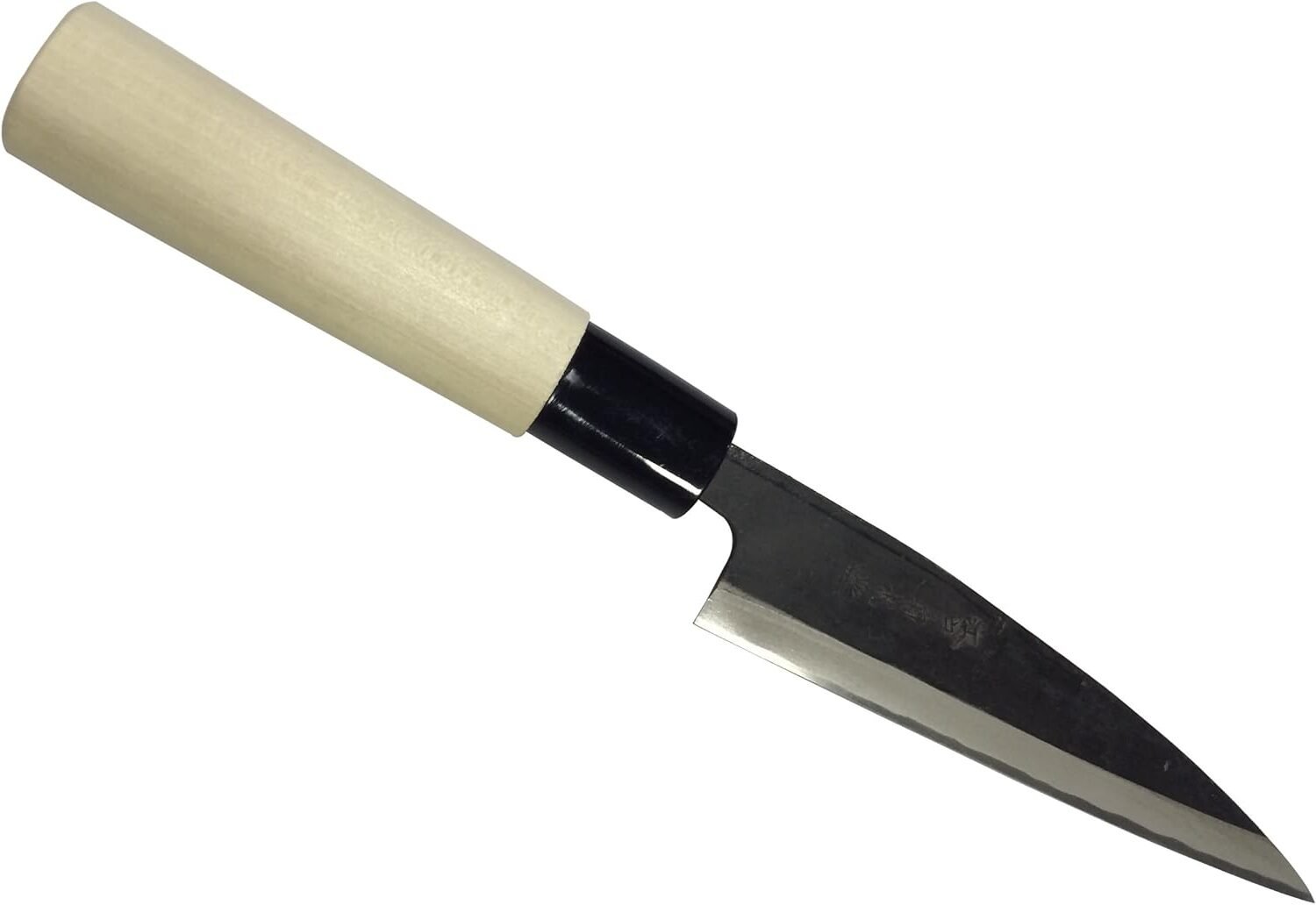
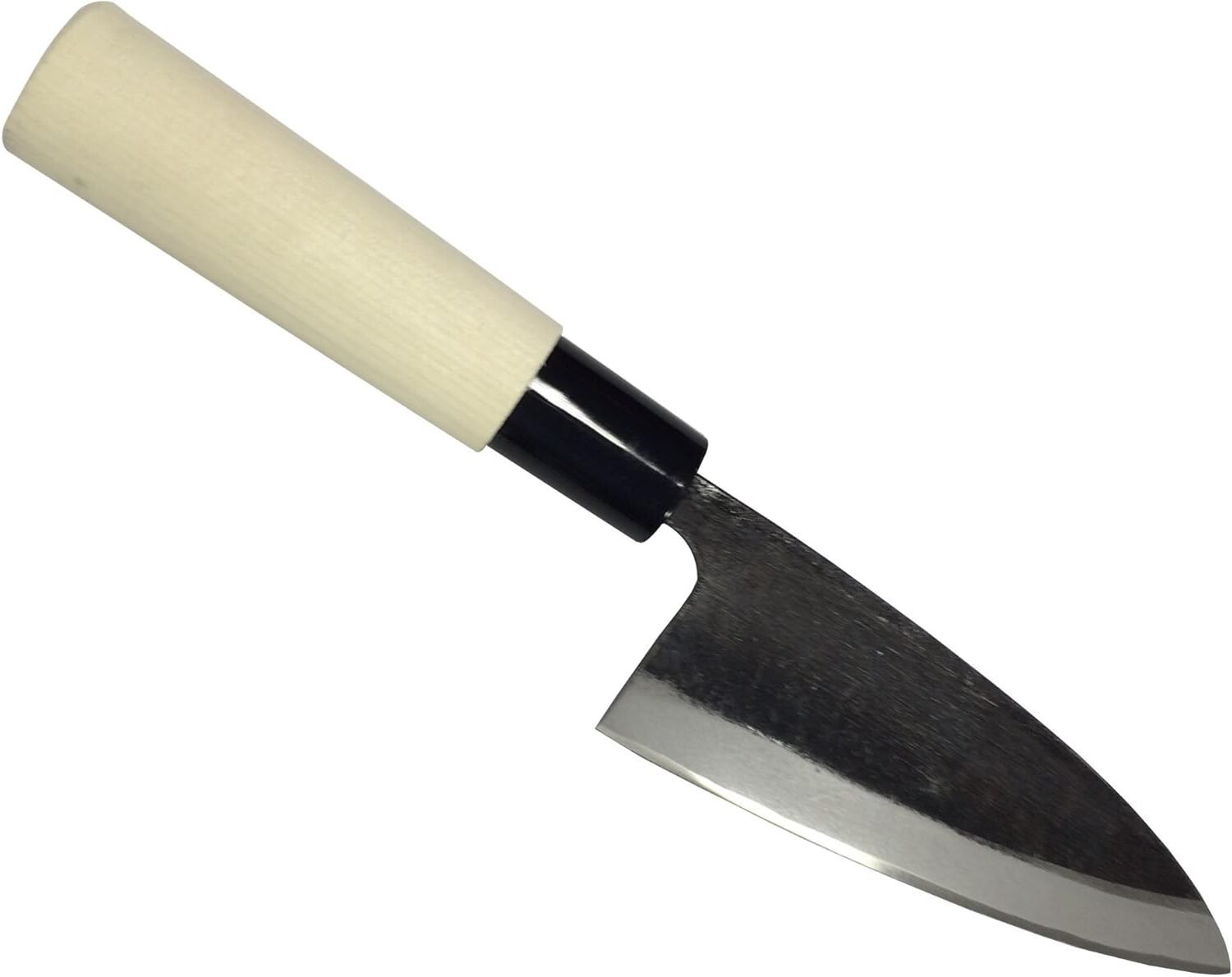
Here’s something special – our black-finished Echizen knife that looks as sharp as it cuts. It’s a compact powerhouse at 25.8cm overall, with the perfect weight (88g) for everyday prep work. That 13.5cm blade hits the sweet spot between control and cutting power. The black finish isn’t just for looks – it helps prevent food from sticking to the blade.
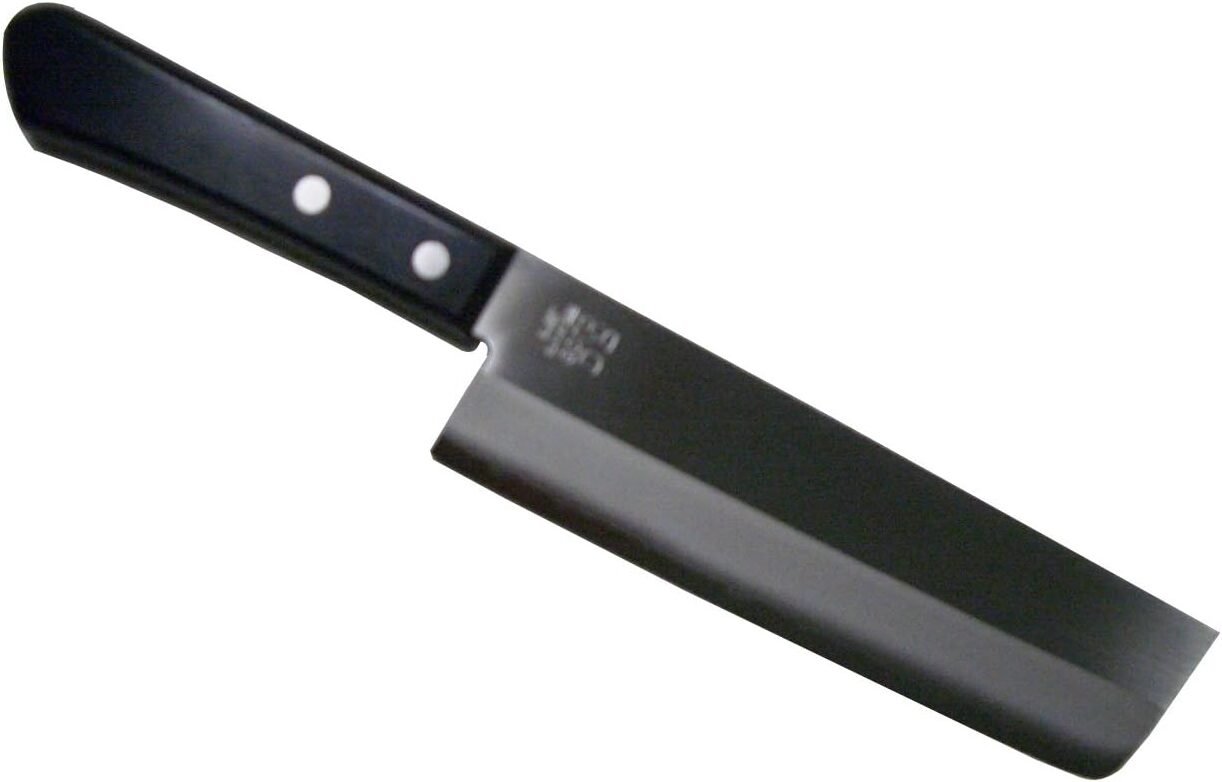
Size: 29X4.4X1.5cm
Weight: 130 g
Material: VG5 stainless steel
Country of Manufacture: Japan
Blade Length: 16 cm
Size:23.8X4.3cm
Weight: 118 g
Blade Material: Alloy Steel
Size: 40X5X2.06 cm
Weight: 213 g
Material: Stainless steel: Eight Rosewood
Country of Manufacture: Japan
Blade Edge: Plain
Nestled in the heart of Fukui Prefecture, Japan, Echizen is a land where tradition meets craftsmanship. For over 700 years, the master blacksmiths of Echizen have honed their skills, passing down the secrets of blade-making through generations. This region’s rich history in knife-making began in the 14th century, when a humble blacksmith named Kuniyasu Chiyozuru started forging sickles. His superior craftsmanship soon garnered attention, laying the foundation for what would become a revered tradition in Japanese blade-making.
As time progressed, the artisans of Echizen refined their techniques, transitioning from agricultural tools to the creation of exquisite kitchen knives. The art of “Echizen Uchihamono” (Echizen forged blades) became synonymous with precision, durability, and unparalleled sharpness. Each knife is meticulously handcrafted, blending ancient forging techniques with modern innovations to meet the demands of today’s culinary professionals and enthusiasts.
At the heart of Echizen’s knife-making legacy is a commitment to quality and an unwavering dedication to the craft. The blacksmiths’ expertise is not just in shaping metal but in understanding the harmony between the blade and its user. This deep connection to their work is what makes Echizen knives more than just tools—they are a continuation of a centuries-old tradition, a testament to the skill and passion of the artisans who create them.
Today, Echizen knives are celebrated worldwide for their exceptional performance and timeless beauty. They embody the spirit of craftsmanship, where each blade tells a story of heritage, dedication, and the relentless pursuit of perfection. Whether in the hands of a seasoned chef or a home cook, Echizen knives continue to elevate the art of cooking, carrying forward the legacy of a region that has mastered the art of the blade.
Subscribe to newsletter and enjoy an exclusive discount on your first purchase. Stay updated with our latest products, offers, and news directly in your inbox!
Echizen knives are handcrafted by skilled artisans in Japan, using techniques that have been perfected over 700 years. Known for their exceptional sharpness, durability, and precision, each knife is a blend of traditional craftsmanship and modern innovation, making them a favorite among professional chefs and home cooks alike.
To maintain the quality of your Echizen knife, always hand wash it with mild soap and water, then dry it immediately to prevent rust. Avoid cutting hard materials like bones or frozen foods, and use a wooden or plastic cutting board to protect the blade. Regularly honing the knife will also help maintain its sharp edge.
Yes, the company offers professional sharpening services to keep your Echizen knives in optimal condition. Additionally, all our knives come with a warranty that covers manufacturing defects. If you encounter any issues, please contact our customer service team for assistance.